

BEHIND THE SCENES
Introduction
Page 4
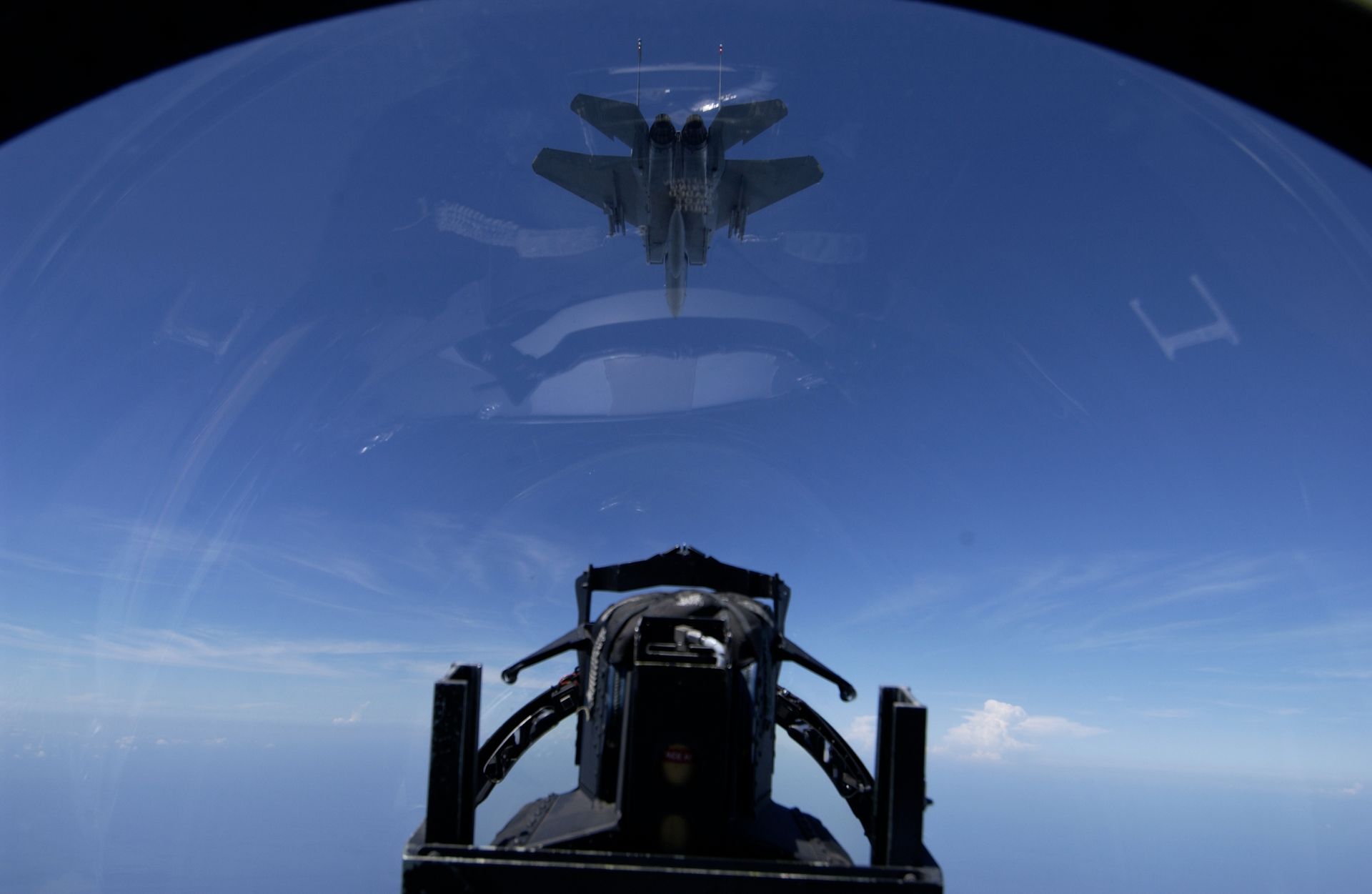
“I was in the back seat and most of our switches were in the front seat, it was my job to talk the front-seat pilot through the necessary steps of configuring the aircraft for this serious situation.”
“The front-seat flyer didn’t have the experience to land the F-15 in an emergency, and as the instructor pilot in the back seat, I was responsible. The problem? I couldn't see out the front of the aircraft. I had to land this jet nearly blind, relying only on my side view to gauge our position relative to a tight 400-foot landing zone.”
Chapter 1
Page 26
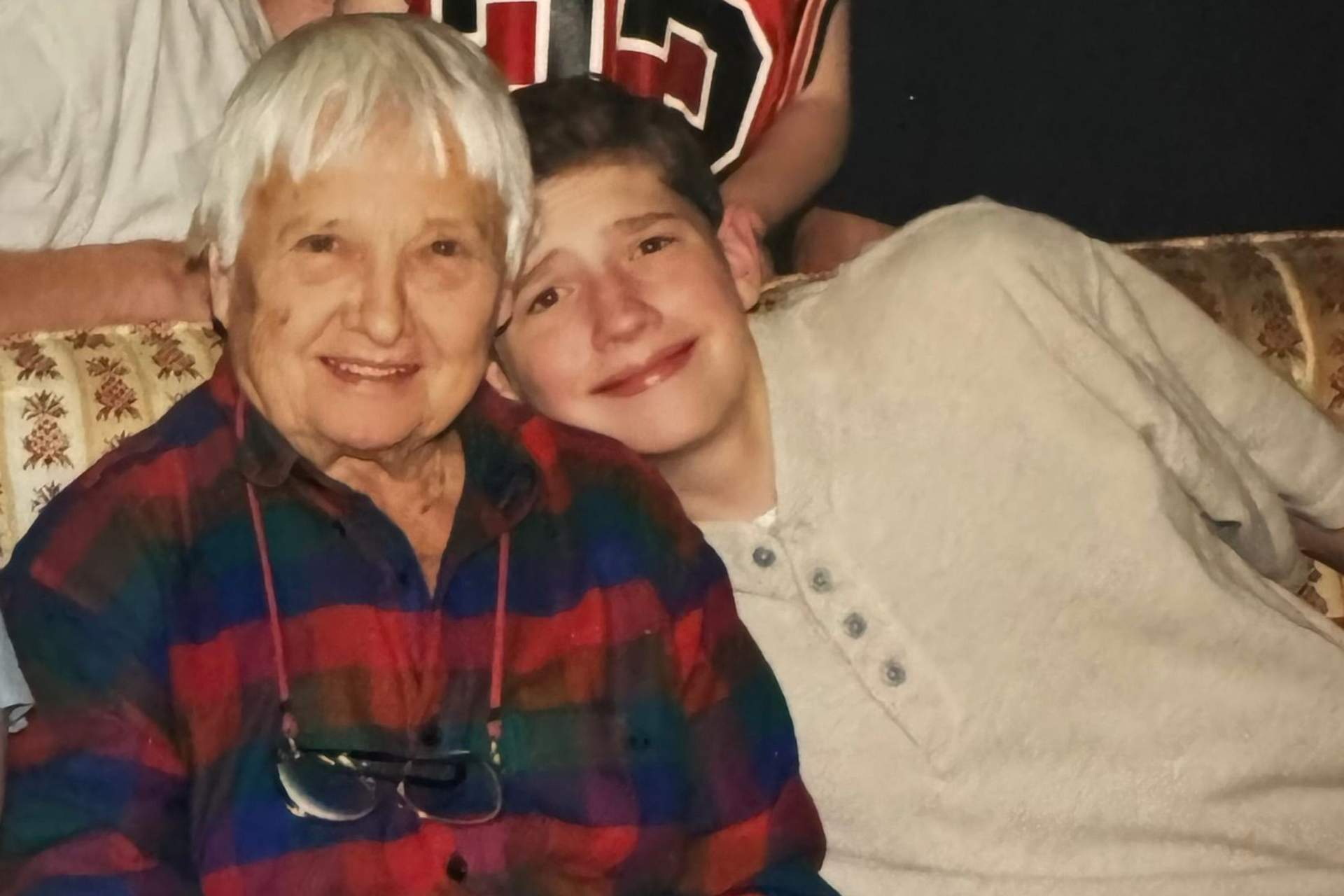
“Since this was the first event for track, she also became the first woman to win a gold medal in the history of the Olympic track.”
Page 29
“As the Germans, who had a considerable lead, began their handoff between three and four, the unthinkable happened. The baton struck the ground, and just like that, the favored Germans were out. Betty was just then reaching her baton out and passed it cleanly to her anchor. Helen sailed to the finish line, and the Americans were victorious. Betty had come back from being “dead” just five years earlier to winning her second Olympic gold medal.”


Chapter 3
Page 62
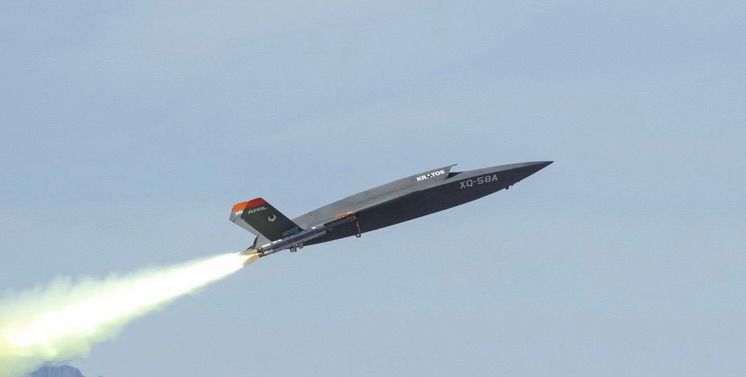
“When testing the XQ-58, for example, we implemented multiple layers of safeguards to prevent the system from demanding more of the aircraft than it was capable of delivering, or from attempting mission elements beyond the narrow objectives we intended to develop.”
Chapter 4
Page 87
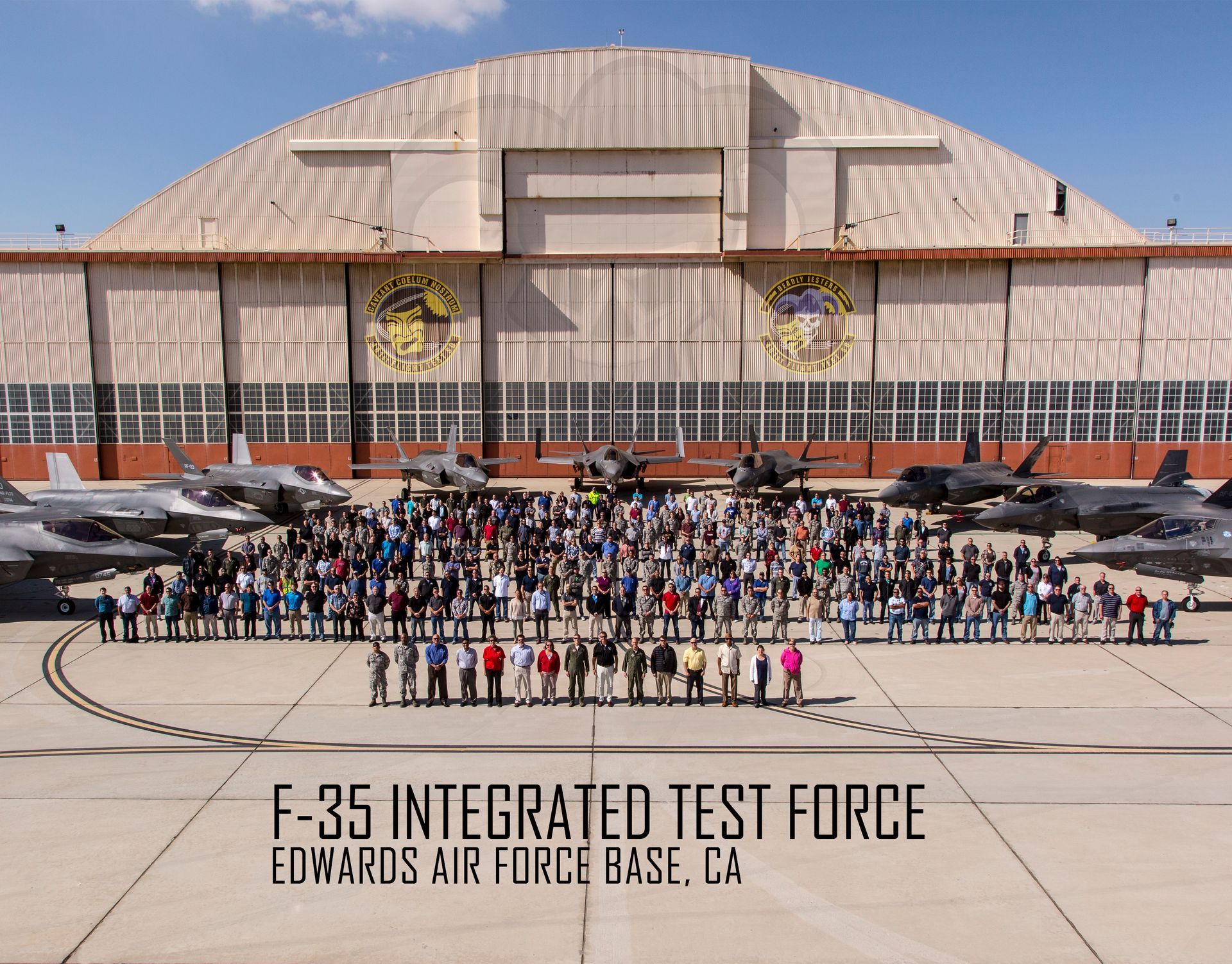
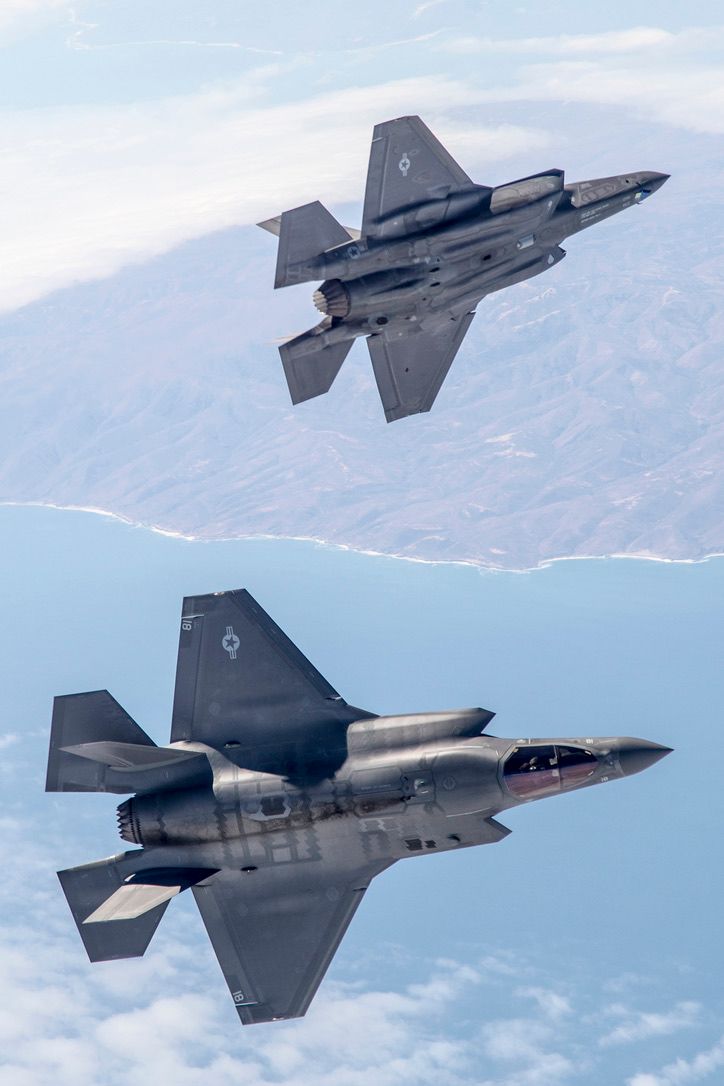
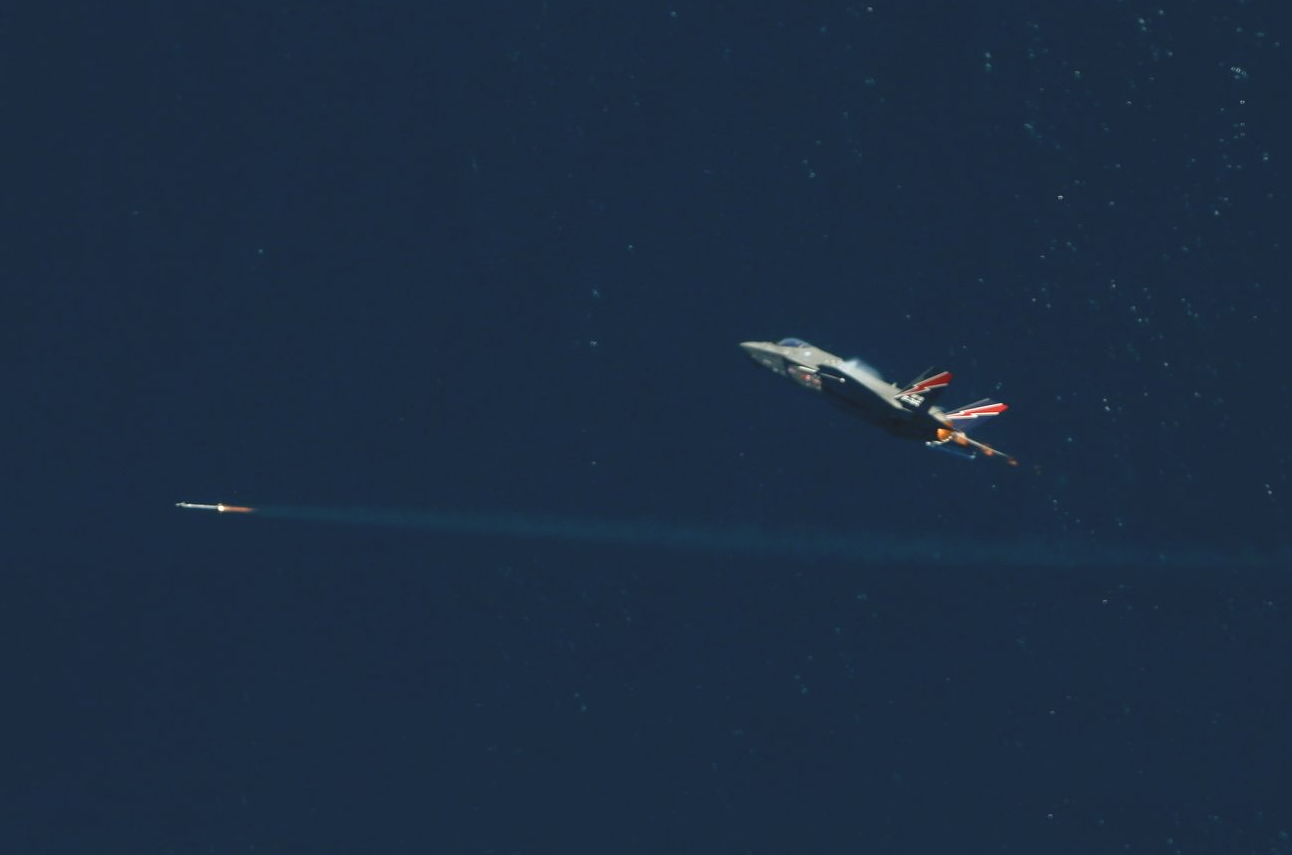
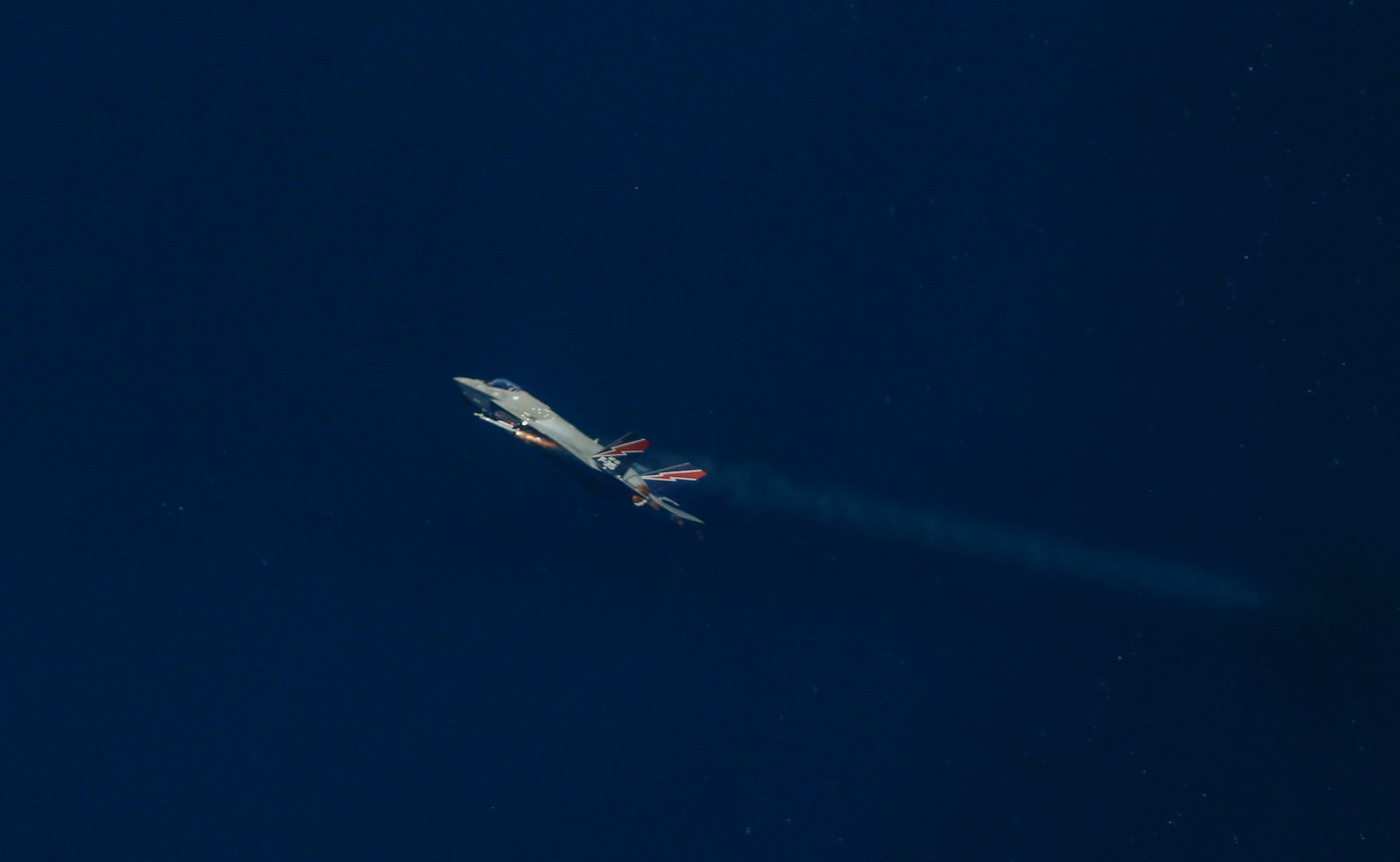
“Even before the turn was complete, I knew exactly what had gone wrong. I had pressed the pickle button thousands of times before—it’s how you release a missile or bomb…However, this specially modified F-35A test aircraft was different."
Chapter 5
Page 102
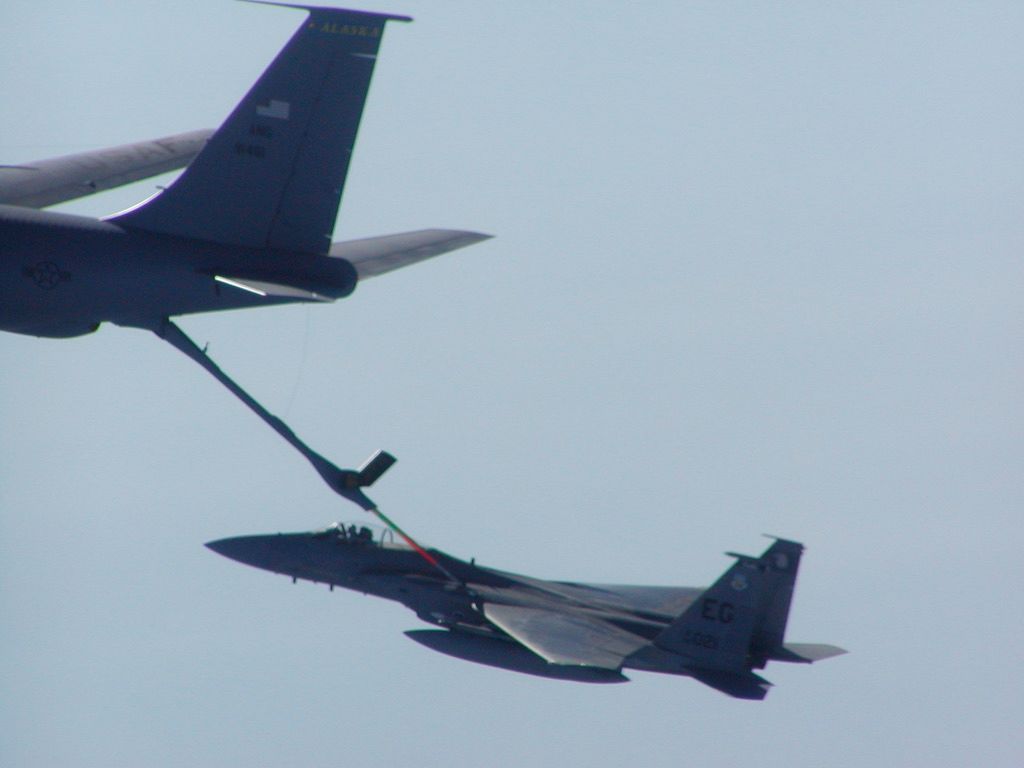
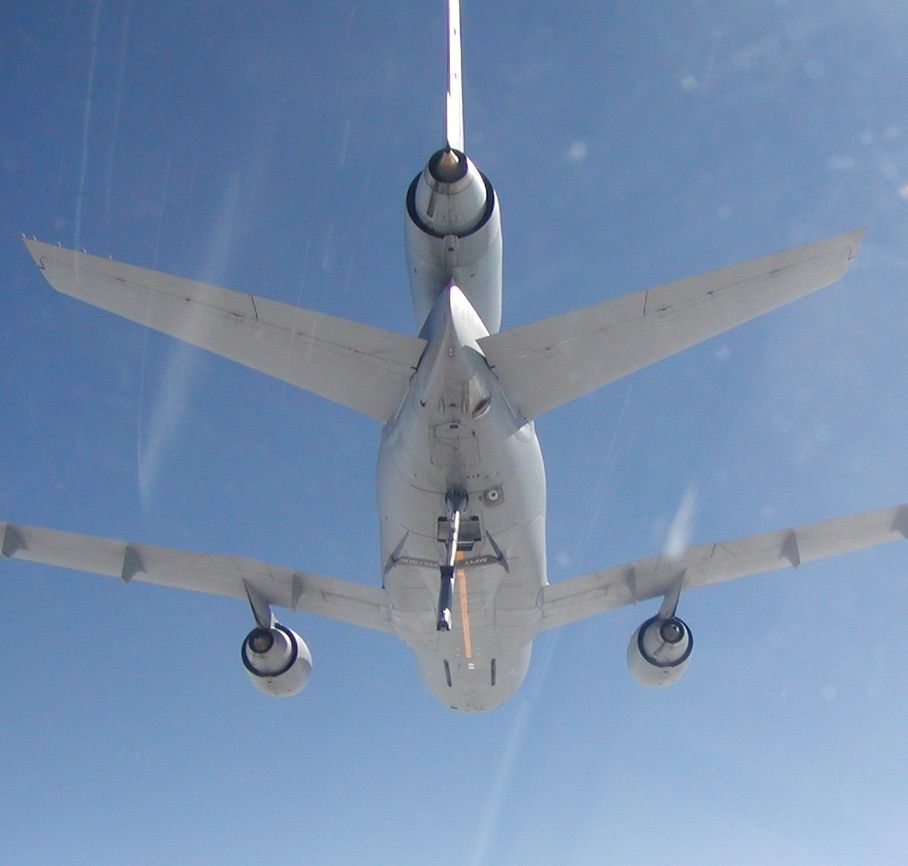
“My F-15C taking on fuel over Spain during a 12-hour mission”
Chapter 6
Page 118
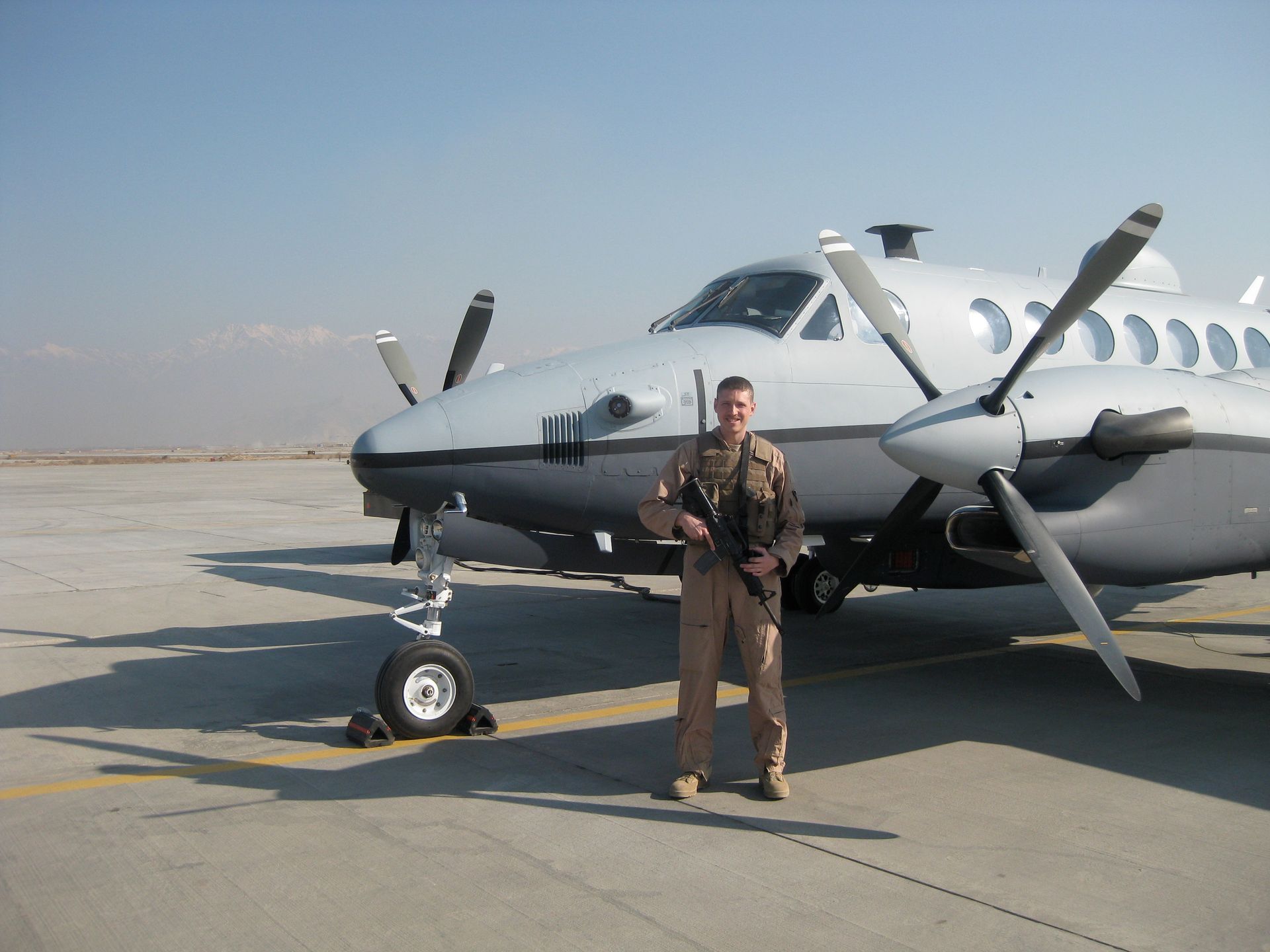
"The MC-12 crew, however, lives in a different world. We are both part of the fight and the aftermath, witnessing it all through high-resolution cameras that leave little to the imagination,”
Page 120
“Soon, the Army arrived and captured the attackers. They set the SUV on fire and recovered a rocket cache near the tree. Our job was done, but not without the emotional toll. We had spent hours witnessing the whole scene unfold—tracking, analyzing, and deciding—and it wasn’t until much later that I reflected on just how heavy that responsibility had been. This mission became the model for how to use the MC-12 in combat, but to me, it was a reminder of the brutal complexity of war,”
Page 121-122
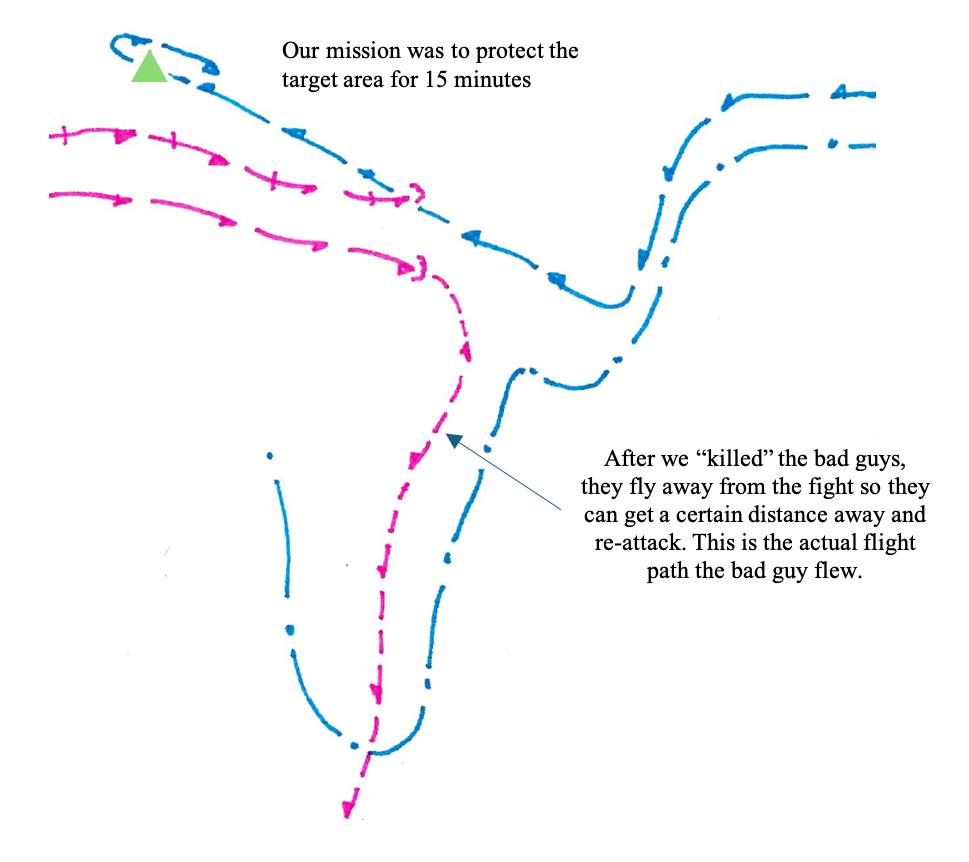
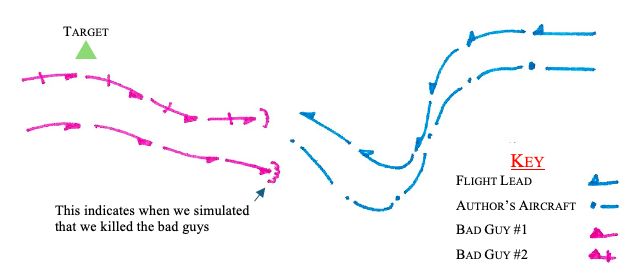
“So, there I was, a young wingman flying a fighter sweep mission. Our objective was to fly toward a target area and eliminate “enemy” aircraft that were in our way. In these training scenarios, the enemy was just other F-15Cs pretending to be bad guys. When you flew as the good guy, you were “Blue Air”; when you were a bad guy, you were “Red Air.”
Chapter 7
Page 133
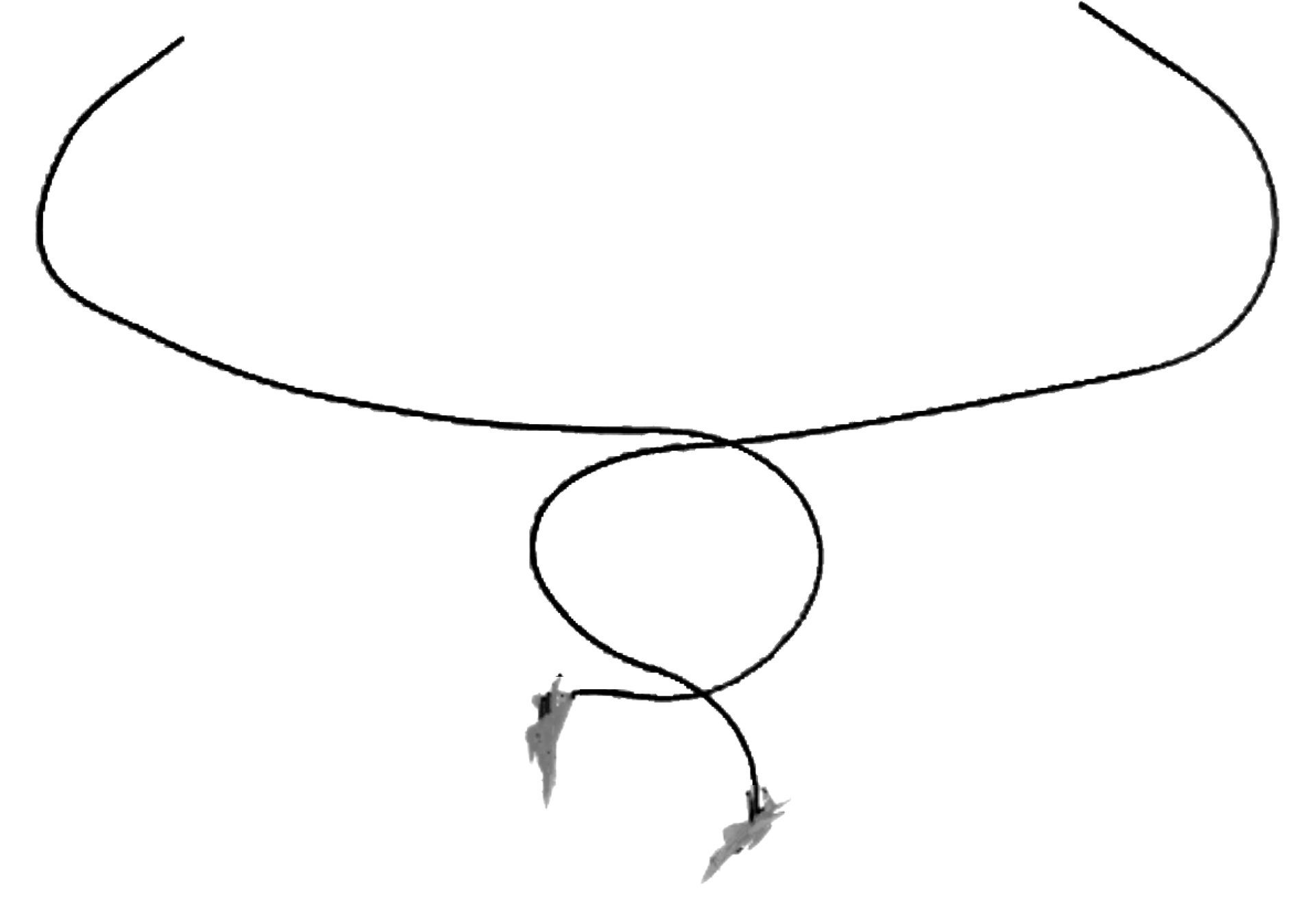
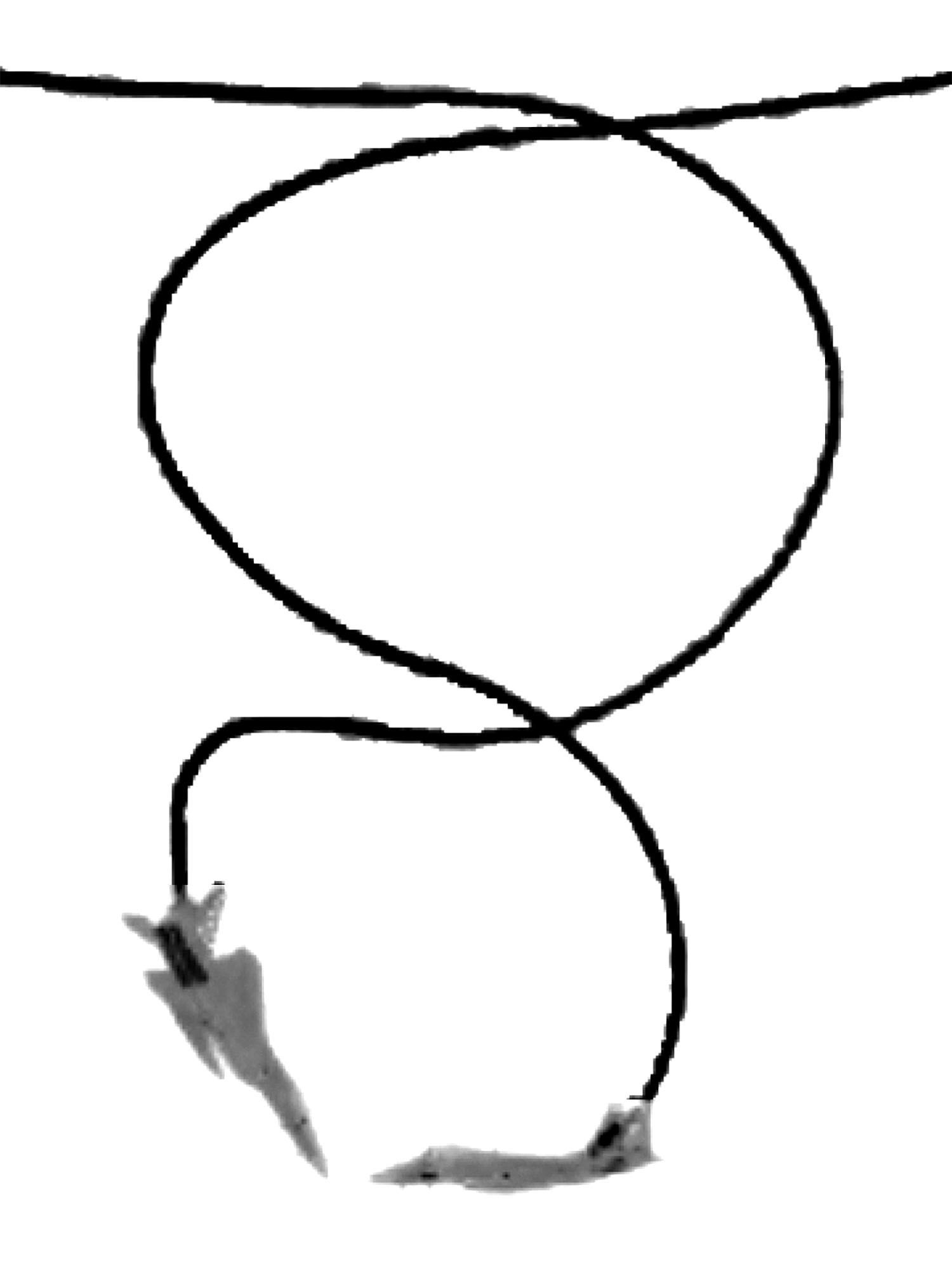
“With my nose pointed slightly downward, I desperately tried to turn my jet away, but his aircraft remained locked in the same position. The fear in my heart turned to cold, hard reality—we were on a collision course. His jet loomed closer and closer, and at the very last second, I rolled my wings away from him and pulled hard, hoping to avoid the inevitable.”
Page 134-135
“I felt the yank of the parachute on my shoulders, and just like that, my vision returned.”
“The fire lights were going off, and the aircraft was talking to me in an unnerving computer voice telling me it was on fire, warning me of the overheating engine. I looked up and noticed an unfamiliar glare in my mirrors. The F-15C has three rearview mirrors. One right above your head and one each on the side of the canopy, all about 2 x 5 inches. The glare was orange as I noticed each mirror reflected an all-consuming fire eating away at my aircraft.
Chapter 9
Page 168
“Consider the case of NASA’s development of the Automatic Ground Collision Avoidance System (Auto GCAS) in the late 1980s. This revolutionary technology was designed to prevent fighter aircraft from crashing by automatically taking control when it detected that a plane was about to hit the ground. The system was created with a primary objective: to do no harm. The engineers could not allow this system to cause a collision or similar catastrophic event. Its next priority was not to interfere with the pilot. In essence, it needed to activate only when it was saving the pilot’s life, avoiding any unnecessary or nuisance activations that might undermine its credibility or the pilot’s trust. Once these objectives were met, the system’s final goal was to avoid ground collisions"
Page 170
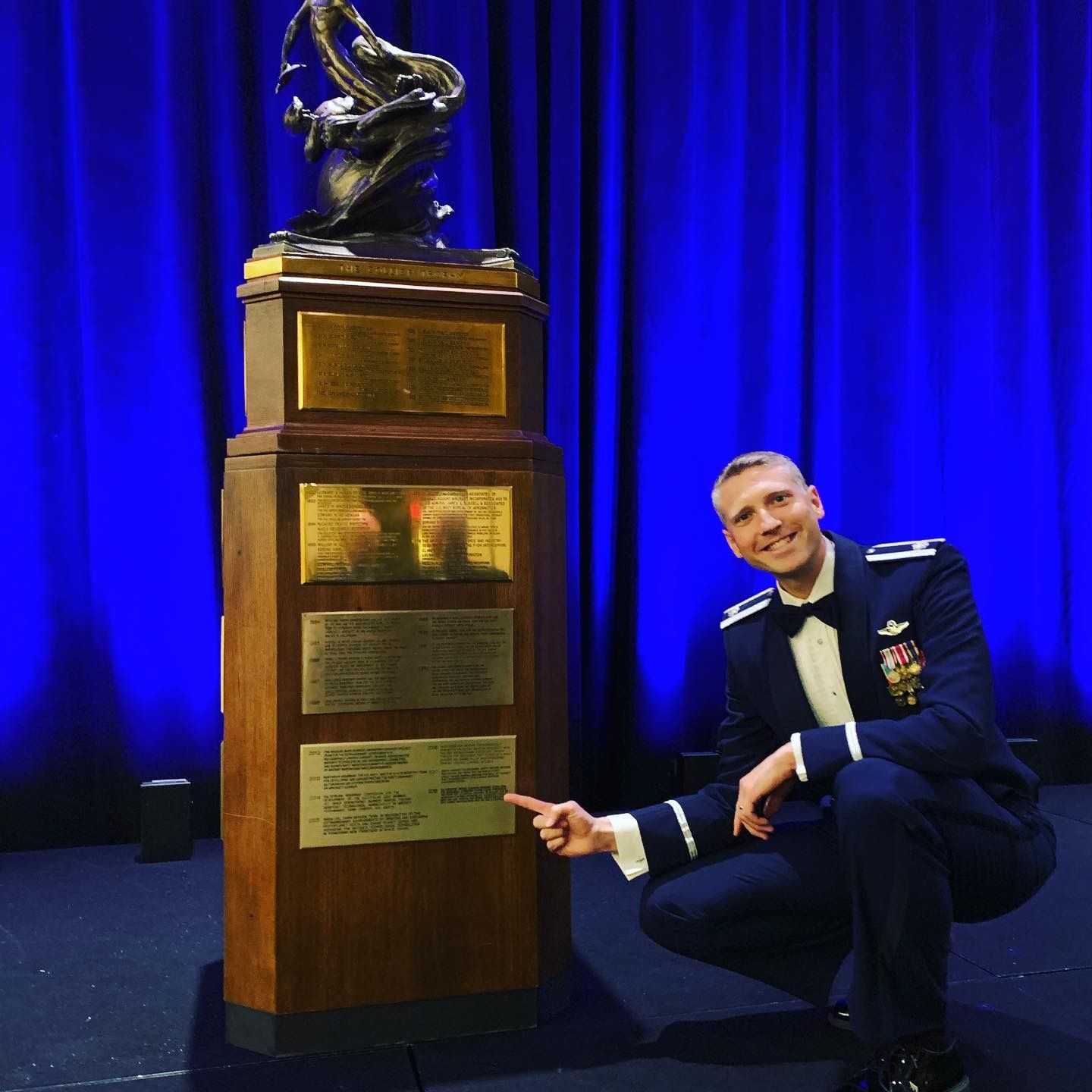
“In 2018, we received the green light to develop the capability in the F-35, and a year later, we completed our work. Our team was awarded the prestigious National Aeronautics Association Collier Trophy for our development and acceleration of Auto GCAS into the F-35, as well as the overarching success of Auto GCAS in fighter aircraft. The award is given annually to one project in America that has had the most significant impact on aerospace. Our team’s name is etched into the trophy, which is housed in the Smithsonian National Air and Space Museum,”
Chapter 10
Page 182
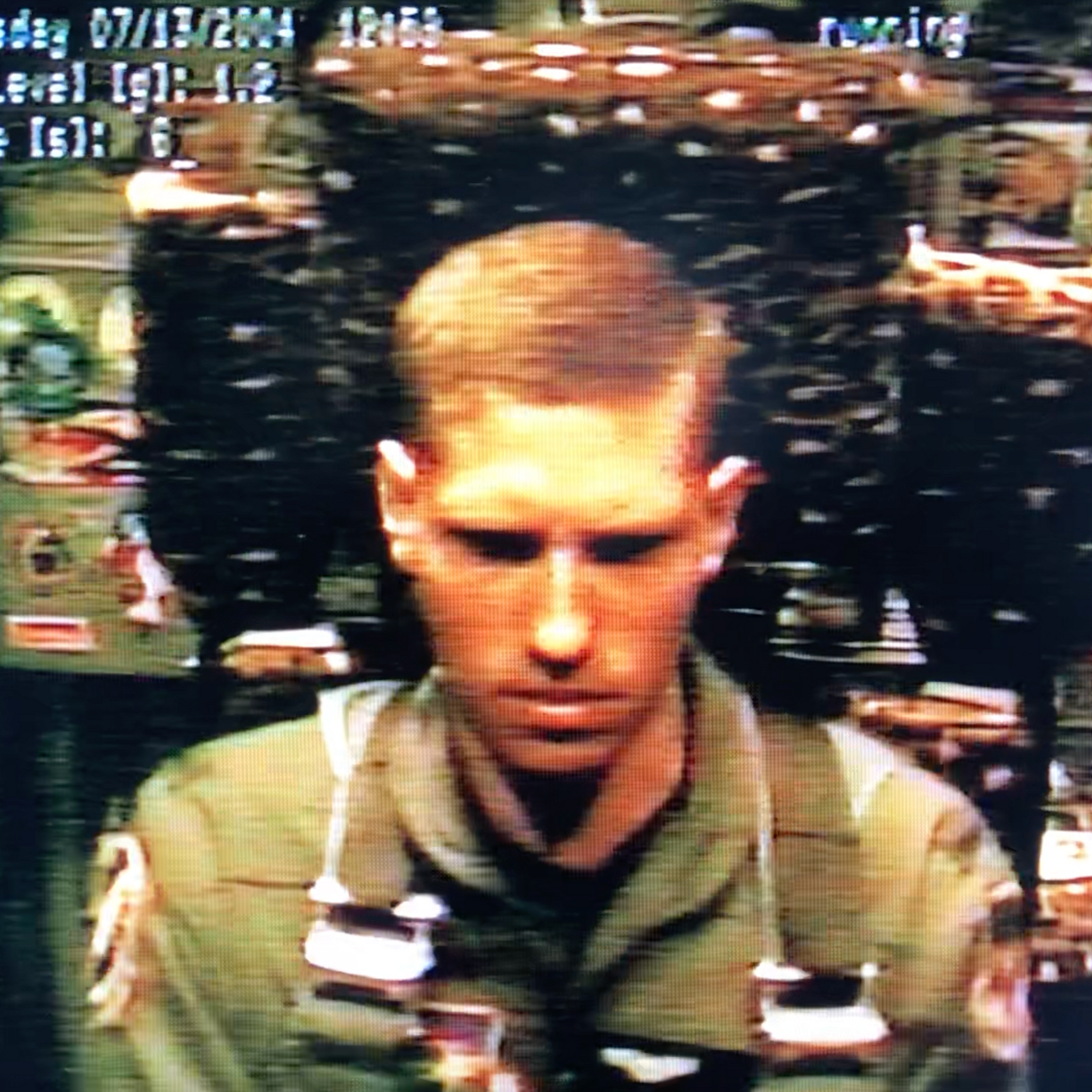
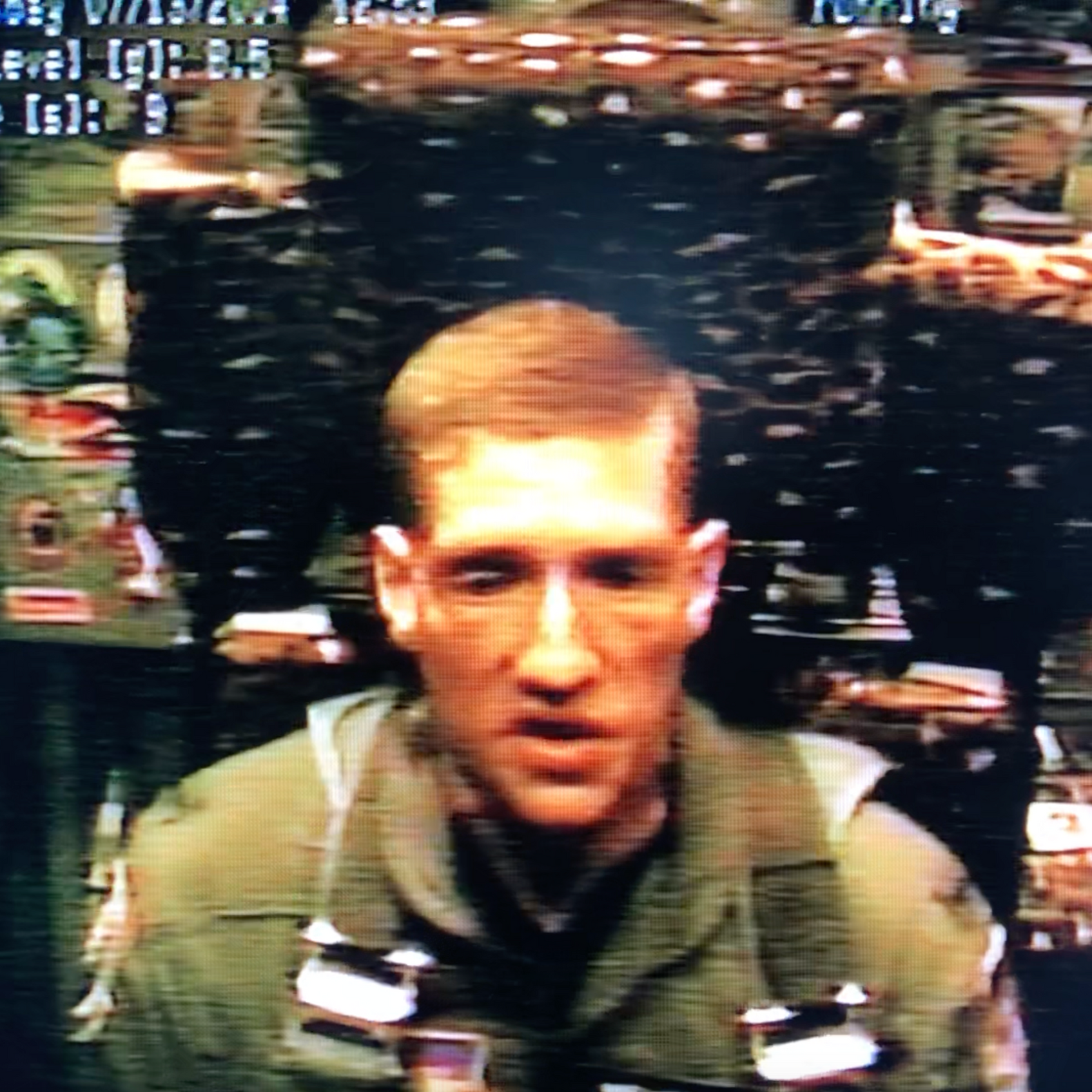
“Two hours earlier, I had passed out after just three seconds of trying to endure those brutal G-forces. On my second attempt, I managed to hold on for four seconds before blacking out again. Strike two.”
Chapter 11
Page 199-200
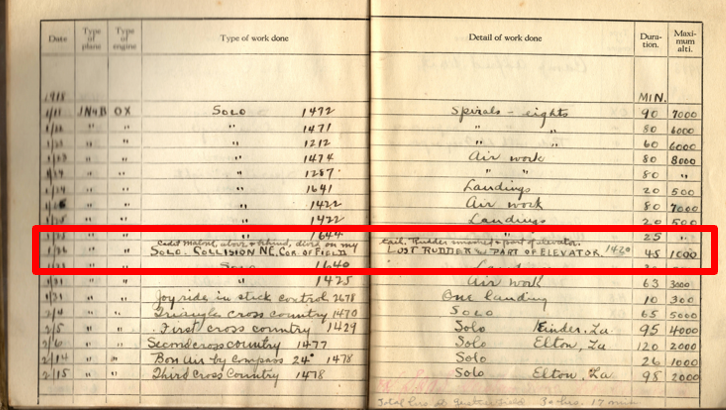
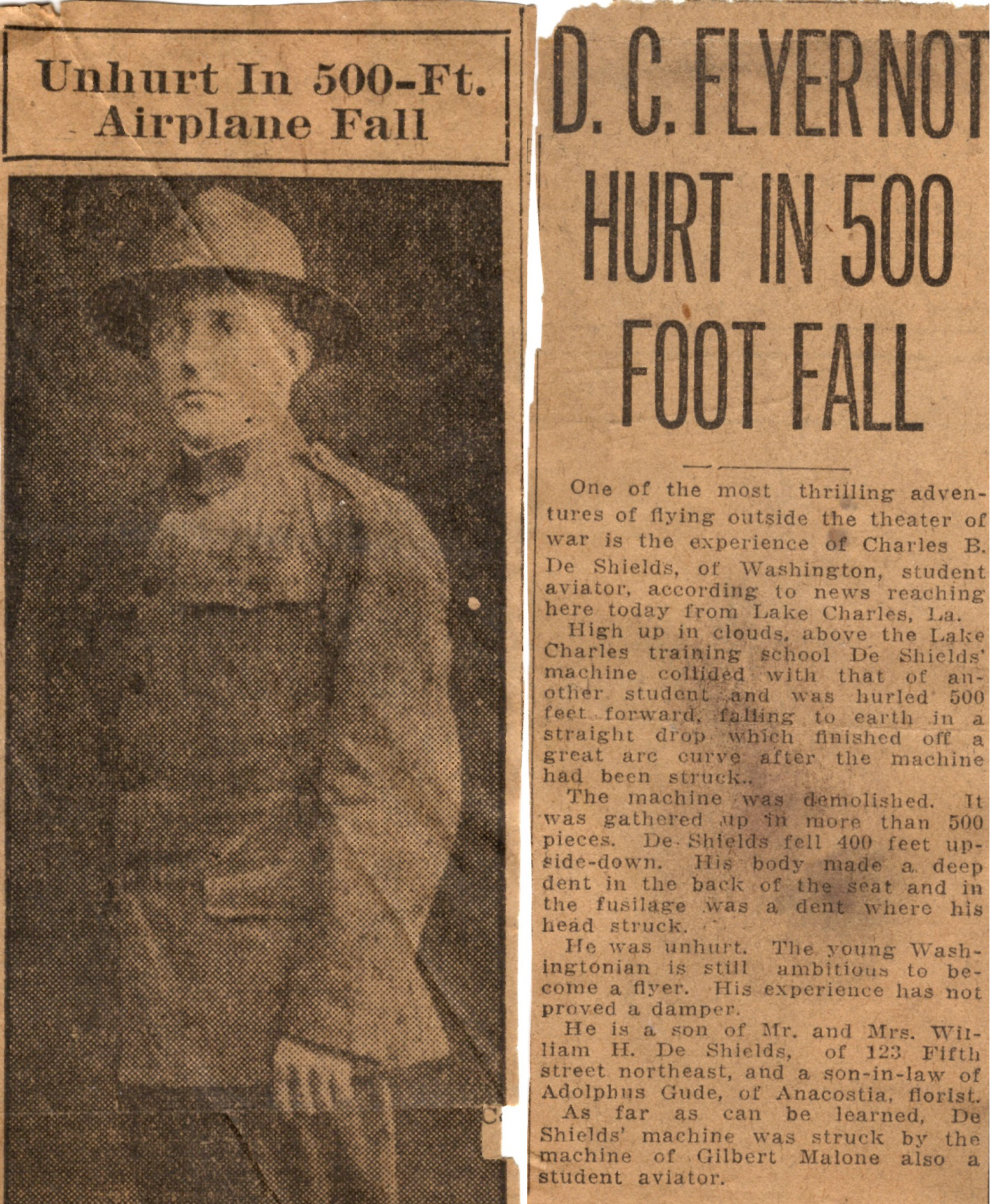
“Miraculously, Charles emerged from the wreckage unscathed. Stunned but alive, he climbed out of the twisted remains of his plane, dust and dirt clinging to his clothes.”
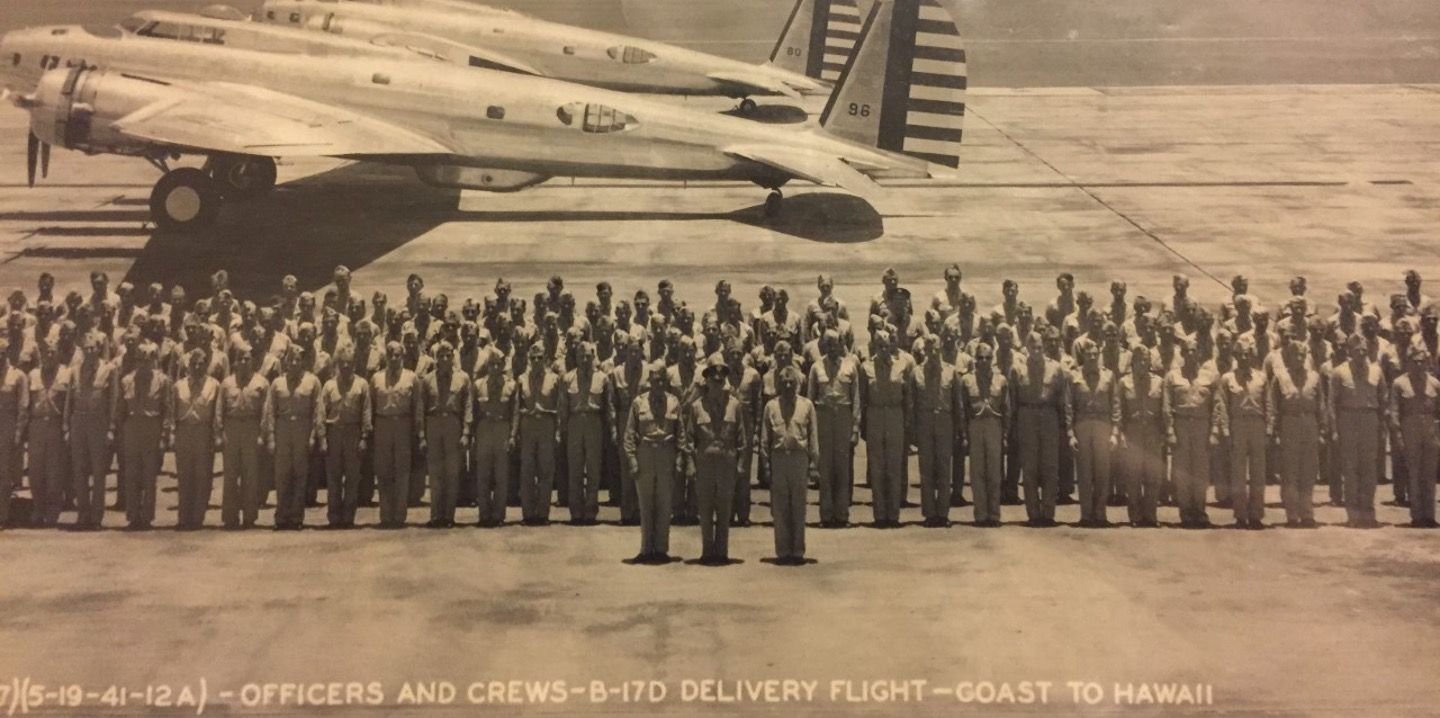
“In time, his career led him to serve at the pinnacle of aviation as the air base commander of Hickam Army Airfield in Hawaii.”
Page 210
“After USAF Test Pilot School graduation, he moved to Eglin AFB, and served as an evaluator F-15C/E test pilot for the 40th Flight Test Squadron."